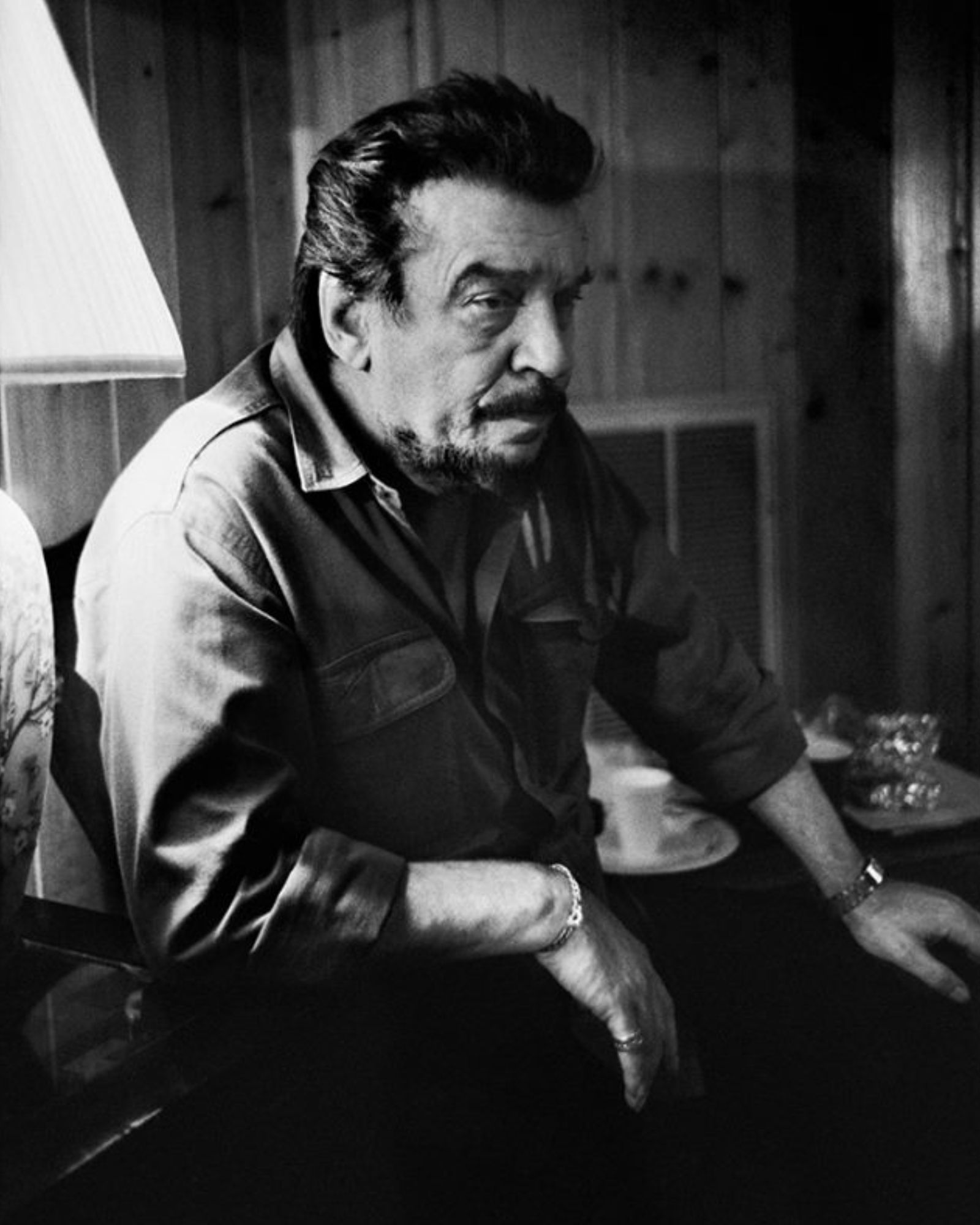
Waylon Jennings never did anything the way Nashville expected, so it made sense that his farewell would not look like an ordinary memorial service. On a Saturday in March 2002, the Ryman Auditorium filled with outlaws, old friends and fans for a night that was loud, rocking and deeply reverent, and that ended with one last surprise from Waylon himself.
The outlaw from Littlefield
Waylon Jennings was born on June 15, 1937, in Littlefield, Texas, and started playing music as a boy. In the 1970s, he and his friends broke away from the polished Nashville Sound and took control of their own records. The 1976 album Wanted! The Outlaws, with Willie Nelson, Jessi Colter and Tompall Glaser, became the first country album certified platinum. Hits like “Good Hearted Woman,” “Luckenbach, Texas” and “Mammas Don’t Let Your Babies Grow Up to Be Cowboys” made him a legend.
Millions more knew his voice as the narrator of The Dukes of Hazzard. And with Johnny Cash, Willie Nelson and Kris Kristofferson, he rode with the supergroup The Highwaymen.
In October 2001, Waylon was inducted into the Country Music Hall of Fame. Four months later, on February 13, 2002, he died at his home in Chandler, Arizona, after years of health problems. He was 64. He was buried in a private graveside service in Arizona.
“I’ve Always Been Crazy”
Nashville said its goodbye on March 23, 2002, at the Ryman Auditorium, the old Mother Church of Country Music. The service was titled “I’ve Always Been Crazy: A Celebration of the Life and Legacy of Waylon Jennings,” after one of his best-loved songs.
The stage told its own story. Behind it hung Waylon’s famous flying “W” logo and a large photograph of him. In the center, between two tall vases of red roses, stood his familiar Telecaster guitar in its hand-tooled leather cover. Resting on the neck was a black cowboy hat.
Johnny’s empty spot
The first person to take the stage was Waylon’s son, Shooter Jennings, then just 22. He welcomed the crowd and explained a change in the program. Johnny Cash had been listed as the first musical performer. But Cash, who was spending the winter at his home in Jamaica and was in fragile health himself, had been told by his doctors not to travel.
Shooter said he had spoken with Johnny, who sent a simple message for everyone in the room:
“Johnny said to enjoy yourselves and honor Waylon.”
The two men went back decades. In the 1960s, Waylon and Johnny had shared an apartment near Nashville, and their friendship lasted the rest of their lives, full of loyalty and teasing. In one letter to Waylon, Cash signed off with a typically playful line: “Waylon, I love you, don’t I God?”
Songs and stories
With that, the music began. Travis Tritt took the stage first. Charley Pride sang “Good Hearted Woman” and shared a story many fans had never heard: Waylon had offered him the song before Waylon recorded it himself. Kris Kristofferson, Waylon’s fellow Highwayman, paid tribute in song and story.
Shooter came back later with his own band, Stargunn, and members of his father’s longtime road band, the Waymore’s Blues Band, and they roared through “I’ve Always Been Crazy.” It was exactly the kind of moment Waylon would have appreciated, loud and a little rebellious, right there on the Ryman stage.
Into the dark
Then came the ending no one expected. The stage lights went down. In the darkness, over the guitar and the hat standing where Waylon should have been, the speakers came to life with his voice.
It was the last song Waylon Jennings ever recorded, played in public for the very first time.
When it ended, Shooter returned one more time to say goodnight and thank everyone for coming.
Gone too soon
Johnny Cash never made it to say goodbye in person. Eighteen months later, in September 2003, he died too. The Highwaymen were down to two.
Shooter Jennings went on to build his own career as a singer, songwriter and producer, carrying his father’s outlaw spirit into a new century. In 2008 he released Waylon Forever, a collection of recordings he had made with his dad in the mid-1990s.
But for those who were in the Ryman that night in 2002, the memory that lingers is simpler: a dark stage, a leather-covered Telecaster, a black hat on its neck, and that unmistakable voice filling the old church one last time.