Scroll to the end of the article to hear the song.
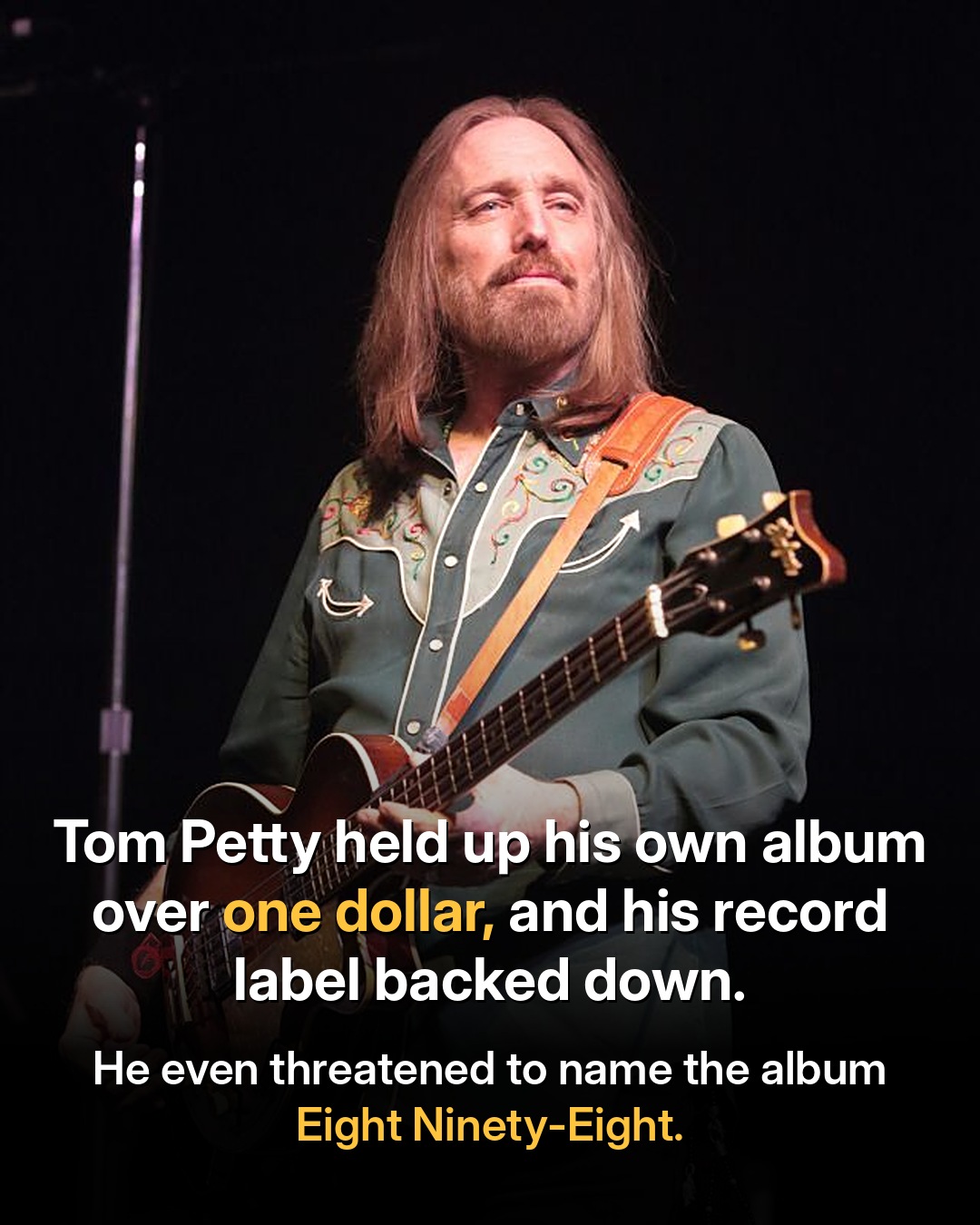
In the spring of 1981, Tom Petty went to war with his record company over a single dollar. MCA Records wanted to sell the new Tom Petty and the Heartbreakers album, Hard Promises, for $9.98. Petty wanted it at $8.98, the price fans were used to paying. He held up the record, took his case to the press, and floated a title that would have put the argument right on the cover: Eight Ninety-Eight.
He won. But the way the fight started, and what he said while it was going on, tell you more about Tom Petty than the final price tag does.
He Found Out From a Record Store
Tom Petty did not learn about the higher price in a meeting with his label. According to Rolling Stone, which covered the dispute in its March 19, 1981 issue, he found out when he read that a Los Angeles record store was planning to boycott two MCA albums because of their $9.98 list price. One was Steely Dan’s Gaucho. The other was his own album, which he had not even finished.
MCA was trying out what the industry called “superstar pricing”: a dollar more for its biggest acts. Gaucho had already gone out at $9.98, and later accounts say the Xanadu soundtrack, starring Olivia Newton-John, was priced the same way. Petty was next in line. His previous album, Damn the Torpedoes, had made him one of the biggest names in American rock, and that success is exactly what put him in MCA’s new pricing tier.
“It Just Ain’t Right”
Tom Petty did not soften his answer. He told Rolling Stone:
“My immediate reaction was ‘no way.’ It just ain’t right.”
He went further. If the album was forced out at $9.98, he said, he would not take the extra money himself, and he did not think it was a good time to add another dollar to the price of anything, least of all records.
MCA, for its part, said nothing had been decided. A company vice president, Gene Froelich, told the magazine the album could come out at $9.98, but it could also come out at $8.98, $5.98 or $12.98.
That answer did not settle anything. Petty’s co-manager, Tony Dimitriades, said the band might not deliver the record at all until MCA committed to the lower price, and that they were ready to stop work rather than let the price be decided after the album was turned in.
The Title Threat
That is where the title came in. During the standoff, Petty floated naming the album after the price he was fighting for. Most accounts give it as Eight Ninety-Eight; a February 1981 item in The Miami News reported the title as “$8.98,” and Rolling Stone later described it as The $8.98 Album. The wording changes from source to source, but the idea is the same: if MCA wanted to argue about the price, the price would be printed on the front of the record.
There was history behind his stubbornness. Only two years earlier, Tom Petty had fought MCA in court over his contract, a battle that included a bankruptcy filing before the band signed a better deal. He had already stood his ground with this company once, and now he made it clear he did not want his new success turned into a higher price for his fans.
Why He Said It Mattered
When the album finally came out, Tom Petty explained his thinking in plain terms. Speaking to The New York Times, he said that a lot of the band’s fans had been with them for a long time and that he believed they trusted them. He added that MCA had done a great job selling the band’s records, but the label could not see what life was like “on the street,” or that raising the price would not be fair.
He made the same case on national television, too, talking it over with Tom Snyder that year.
MCA Backs Down
MCA dropped the increase. Hard Promises was released on May 5, 1981, held up by about a month by the dispute, at a list price of $8.98. Reviews at the time made a point of noting the price, a sign of how closely fans had followed the fight.
The record did just fine at the cheaper price. It climbed to No. 5 on the Billboard album chart and was certified platinum, and its lead single, “The Waiting,” reached No. 19.
The One Thing the Fight Cost Him
Tom Petty did admit the battle had a price of its own. Looking back, he said the worst part of the whole ordeal was that the band spent so much time fighting about the price that they never realized the album cover was, in his words, “real boring.” From then on, he said, he was very particular about his album covers.
For a man who had just stared down one of the biggest record companies in the country, it was a small regret. The dollar stayed in his fans’ pockets.