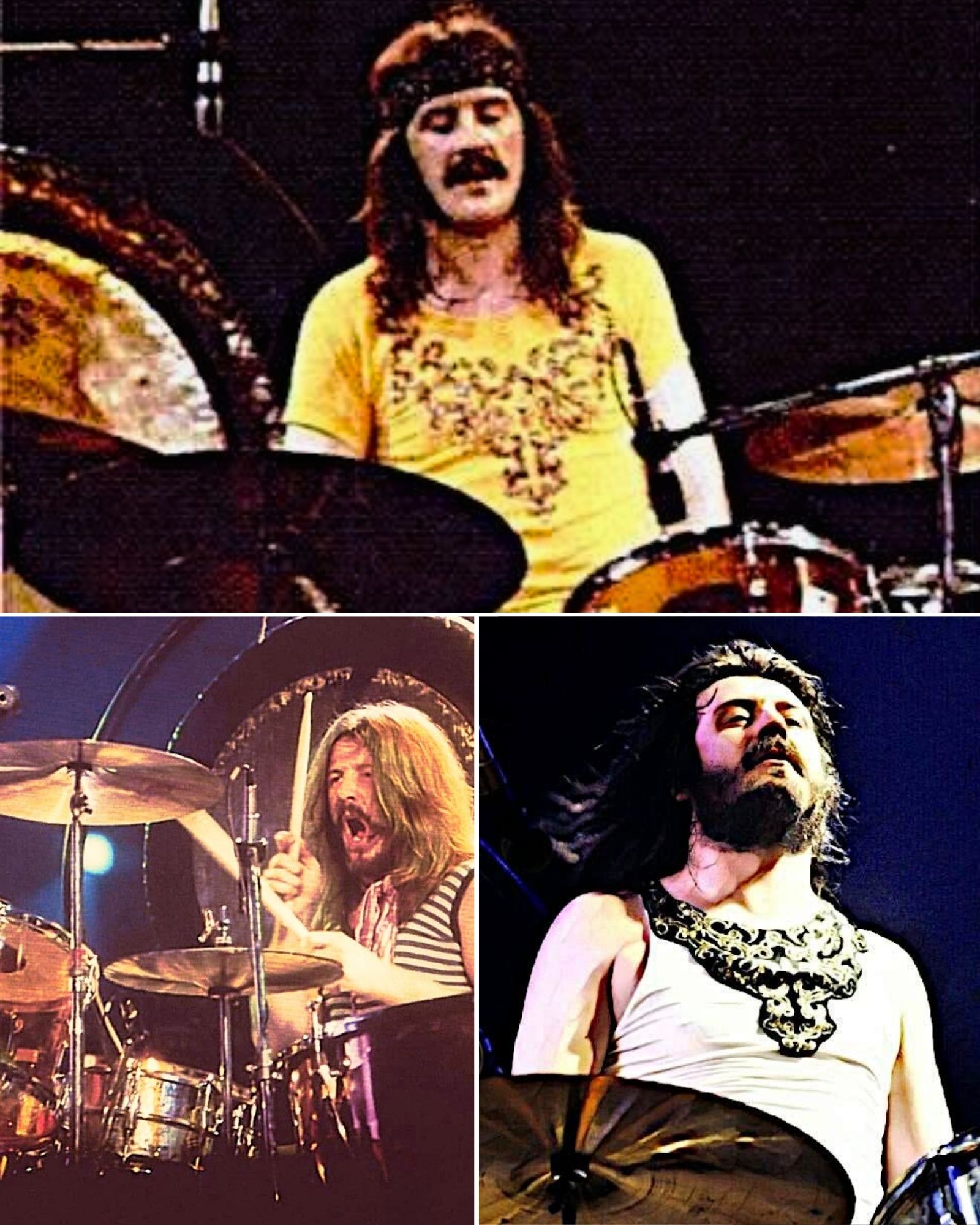
Night after night in the 1970s, the same thing happened at a Led Zeppelin show. Jimmy Page and John Paul Jones would play a heavy, lumbering riff with John Bonham behind them. Then, after a short opening run, they put down their instruments and walked off. The stage belonged to one man and one drum kit.
The song was “Moby Dick,” and what came next was one of the most talked-about drum solos in rock history. At some point in the middle of it, Bonham would lay his sticks aside, or toss them out into the crowd, and keep playing with his bare hands.
Four minutes on the record, half an hour on the stage
On Led Zeppelin II, released in 1969, “Moby Dick” runs just over four minutes. Even that version was something of an illusion: the album track was stitched together from several improvised takes so it would sound like one continuous solo.
Onstage, nobody was stitching anything. Bonham played until he felt he was finished. In January 1970, at London’s Royal Albert Hall, the solo ran about 15 minutes. By the 1972 tour it had grown past 20; the version released on the live album How the West Was Won, recorded in Long Beach that June, lasts a little over 19 minutes. By the band’s 1977 American tour, it sometimes stretched beyond half an hour.
The Royal Albert Hall footage, released officially in 2003, is the version most fans picture. A 21-year-old Bonham plays the opening with sticks, flies around the kit, and then, a few minutes in, quietly sets the sticks down. From there it is skin on skin: the toms, the snare, the rims, even the bass drum.
Why he used his hands
It looked like showmanship, but Bonham insisted it was about sound. He said he picked up the idea after watching a jazz drummer do it, and the habit is often traced to players like Papa Jo Jones and Joe Morello, men Bonham grew up admiring. What struck him was the tone he could pull from the drums that sticks simply could not give him.
“You really get an absolutely true drum sound because there’s no wood involved.”
He was honest that it came at a price. Bonham admitted it hurt at first. In the band’s early days, when they were playing six nights a week and he was doing his long solo every night, he remembered it plainly:
“My hands were covered in blisters.”
Some nights, according to people around the band, the hands bled. On other nights he went to his hands because he had simply broken his sticks hitting so hard. But Bonham said the skin eventually toughened, and once it did, he believed he could strike a drum harder with his bare hands than he could with sticks.
A solo built like a story
Bonham knew a long drum solo could lose a crowd. He once explained that not everyone enjoys or understands one, so he added effects and different sounds to hold people’s attention. The hands were part of that, and so were the gongs, beaters, and timpani that crept into the act over the years.
The opening bars even carried a quiet nod to jazz, borrowing from Max Roach’s “The Drum Also Waltzes.” Writer Chris Welch, who watched the solo from the side of the stage, described Bonham moving from sticks to bare hands, beaters, gongs, and cymbals as it built toward its climax.
The piece had started life under another name, “Pat’s Delight,” after Bonham’s wife, Pat. According to her, it became “Moby Dick” because their young son, Jason, kept asking his dad to play “the long song,” saying it was big, like Moby.
The last nights of “Moby Dick”
At the Los Angeles Forum in June 1977, Keith Moon of The Who wandered onstage during the solo, grabbed a spare pair of sticks, and joined in. It turned out to be one of the last times Moon ever played in front of an audience.
When Led Zeppelin went out on its Tour Over Europe in 1980, “Moby Dick” was no longer in the set. That September, John Bonham died at just 32 years old, and the band ended with him.
The record still holds those four short minutes. But for the people who were there, “Moby Dick” was the moment the band walked away, the lights narrowed to one man, and the sticks hit the floor while the drums kept going.
Did you ever see Led Zeppelin play live, or catch Bonham’s solo in a theater showing of The Song Remains the Same? We’d love to hear your memories.