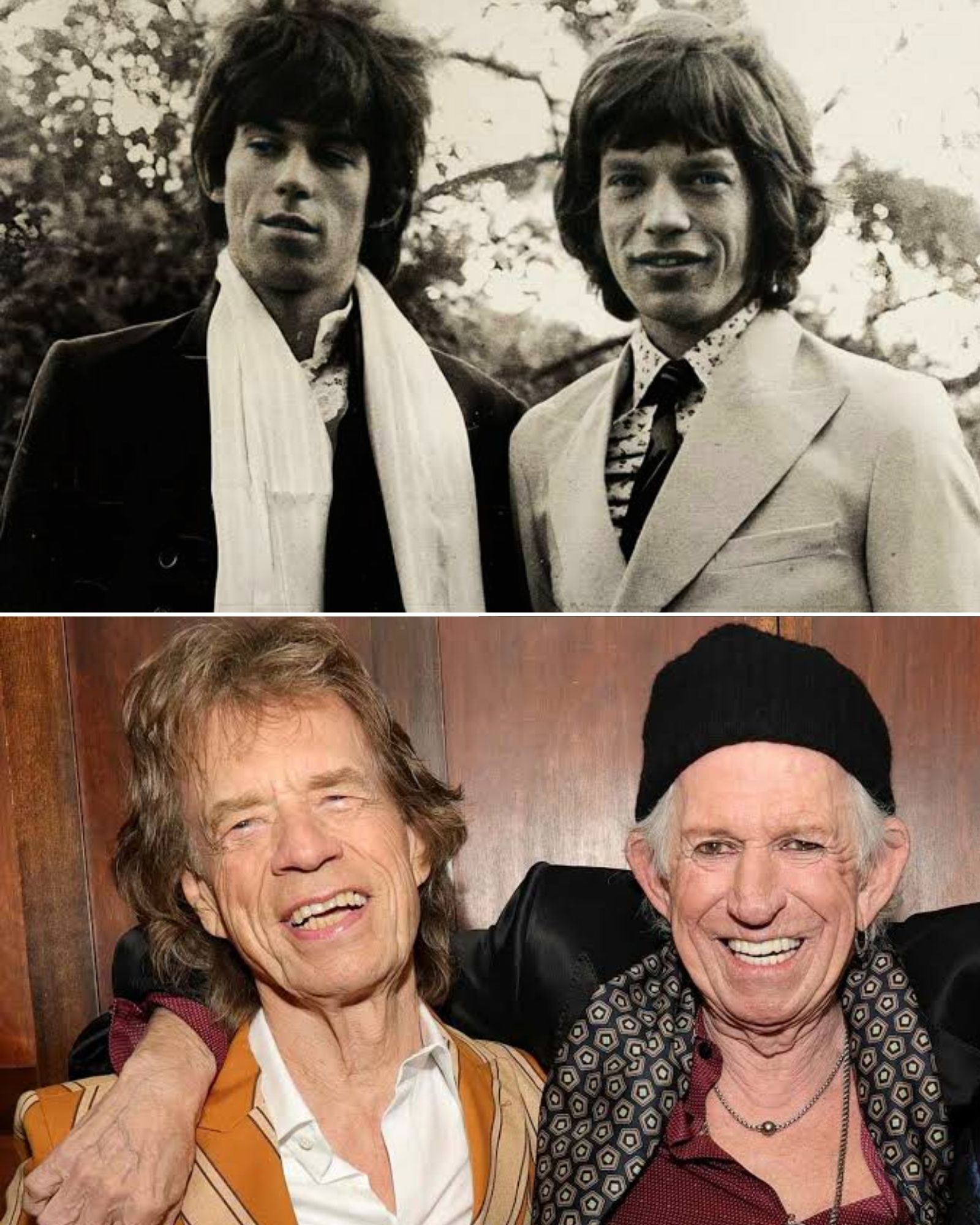
Keith Richards woke up to find that the cassette recorder beside the bed had run all the way to the end. That was strange. Keith Richards remembered putting in a fresh tape, but had no memory of recording anything that could have filled it.
Perhaps a button had been pressed accidentally during the night. There was one way to find out: rewind the cassette and listen.
What came through the speaker was the beginning of “(I Can’t Get No) Satisfaction.” Then came approximately 40 minutes of Keith Richards snoring.
A Musical Idea That Survived Until Morning
Keith Richards described the experience in a 2010 interview with Terry Gross for NPR’s Fresh Air. Small cassette recorders were still a fascinating invention to Keith Richards: portable machines that made it possible to capture an idea wherever inspiration arrived.
For a songwriter, that could make an enormous difference. A melody might seem unforgettable when it first appeared, then disappear before there was a chance to develop it. Keeping a recorder nearby gave those unfinished ideas somewhere to stay.
Keith Richards also kept a guitar close at hand. On this particular night, the combination preserved something that conscious memory had not.
The recording was rough. It was the embryo of a song, rather than a finished performance. But enough was there to recognize that something worth keeping had happened before sleep took over.
Keith Richards told Terry Gross that the idea had come in a dream. The long stretch of snoring afterward supplied an unusually convincing ending to the story.
Keith Richards Had Captured a Beginning
It is tempting to turn this episode into a story about an entire hit arriving fully formed overnight. The actual account is more interesting because the tape captured a starting point.
Keith Richards brought the initial musical idea and central phrase. Mick Jagger helped expand that material into a complete song. During the Fresh Air conversation, Keith Richards specifically credited Mick Jagger with developing the idea.
That distinction matters. The cassette preserved inspiration, but collaboration helped turn inspiration into a record. The familiar songwriting partnership still had work to do after the machine stopped running.
Even the guitar figure that became the song’s signature did not begin with its final role settled. In a 2023 interview with Howard Stern, Keith Richards explained that the riff had originally been a sketch for a horn part.
Listeners would eventually recognize that musical phrase through its unmistakable guitar sound. Keith Richards had initially imagined another instrument carrying it.
From a Bedside Recording to a Defining Record
Released in 1965, “(I Can’t Get No) Satisfaction” reached No. 1 in both the United States and Britain. The finished recording carried an urgency that was far removed from the sleepy circumstances surrounding its first appearance.
The distorted guitar riff announced the song immediately. Mick Jagger’s vocal gave the frustration in the lyric a clear personality. Together, those elements helped make the record one of the Rolling Stones’ defining achievements.
Yet behind that enormous public success remained a remarkably ordinary object: a little tape recorder left beside a bed.
That is what gives the story its lasting appeal. Before the recording sessions, the radio play, and the audiences who could identify the song within seconds, there was a fragment Keith Richards did not remember playing.
Keith Richards had to press play to discover what had happened.
The cassette held the beginning of a song that millions would hear. For the rest of the tape, Keith Richards simply slept.