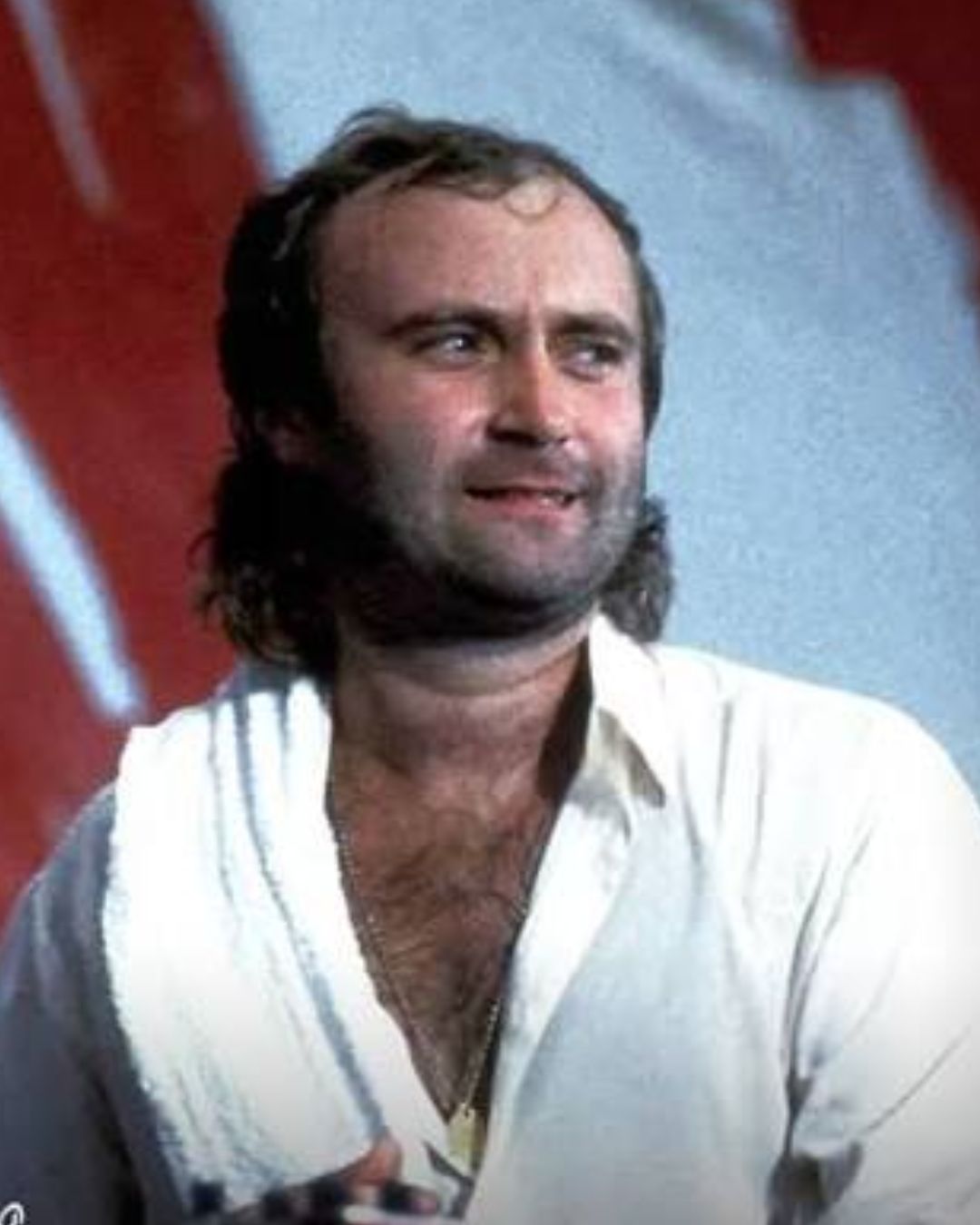
The song was “Against All Odds (Take a Look at Me Now).” On March 25, 1985, at the Dorothy Chandler Pavilion in Los Angeles, it was one of five nominees for Best Original Song at the 57th Academy Awards. It had spent three weeks at No. 1 on the Billboard Hot 100 the spring before, Phil Collins’s first chart-topper in America. When the moment came to perform it on the broadcast, Collins was not on the stage. He was in his seat.
He Asked. The Answer Was No.
Collins wanted to sing it. Several accounts, including a Collins biography and Fred Bronson’s history of chart-toppers, agree that he offered and the show turned him down. In The Billboard Book of Number 1 Hits, Bronson tells it this way: Paul Cooper, a vice president at Atlantic Records, wrote to the producers offering Collins as the performer. The reply from co-producer and writer Larry Gelbart said the spots had already been filled. According to Bronson, the note even referred to the singer as “Phil Cooper.”
Bronson also writes that, after the snub became a story, co-producer Gregory Peck told Daily Variety the producers did know who Collins was and had made their choice based on “showmanship.” Peck was also reported as saying the Academy preferred performers from the film world over recording artists.
What the Audience Saw
The song went to Ann Reinking, a Broadway dancer and actress. That same night she also helped present two awards alongside Jeff Bridges, the star of Against All Odds. Her performance of the song was mostly lip-synced and built around a dance routine. Critics at the Los Angeles Times and People panned it.
To be fair to the producers, not every nominated song was sung by the artist who made it famous that night. Diana Ross performed Stevie Wonder’s nominee, and Debbie Allen performed “Footloose.” But Ray Parker Jr. sang his own “Ghostbusters,” and Deniece Williams sang her own “Let’s Hear It for the Boy.” Collins, who had asked for the chance, watched from the crowd.
A Song He Had Almost Thrown Away
The song meant more to Collins than a movie assignment. Its music dated back to the sessions for his 1981 debut album, Face Value, under the working title “How Can You Just Sit There?” Like much of that album, it came out of the end of his first marriage.
“That song was written during my first divorce. My first wife and the kids had gone and I was left there.”
He left it off Face Value because he preferred another ballad, “You Know What I Mean,” and it did not make his next album either. Then director Taylor Hackford came looking for a title song for his film, a remake of the 1947 noir Out of the Past. Hackford flew to Chicago to catch Collins on tour with Genesis, and Collins watched a rough cut of the movie on a VCR in his hotel room. Collins played him the old demo. Hackford loved it, and Collins wrote new lyrics to fit the film.
On February 26, 1985, four weeks before the Oscars, that recording won Phil Collins the first Grammy of his career, for Best Pop Vocal Performance, Male.
What He Said Afterward
The Oscar went to Stevie Wonder’s “I Just Called to Say I Love You.” Collins did not pretend to be at peace with any of it. Speaking to Rolling Stone in 1985, he called the performance of his song “awful” and said he was disappointed that these things are not necessarily judged on merit. In the same interview, he called Wonder one of his heroes, but said he seriously doubted the winning song had been written for its film.
Fifteen Years Later
On March 26, 2000, Phil Collins was back at the Academy Awards, nominated for “You’ll Be in My Heart” from Disney’s Tarzan. This time he sang it himself on the Oscar stage, backed by piano, acoustic guitar and strings from the orchestra pit. And this time, the song won Best Original Song.
That night, he said:
“You don’t know what this means to me. You don’t know what this means to my kids.”