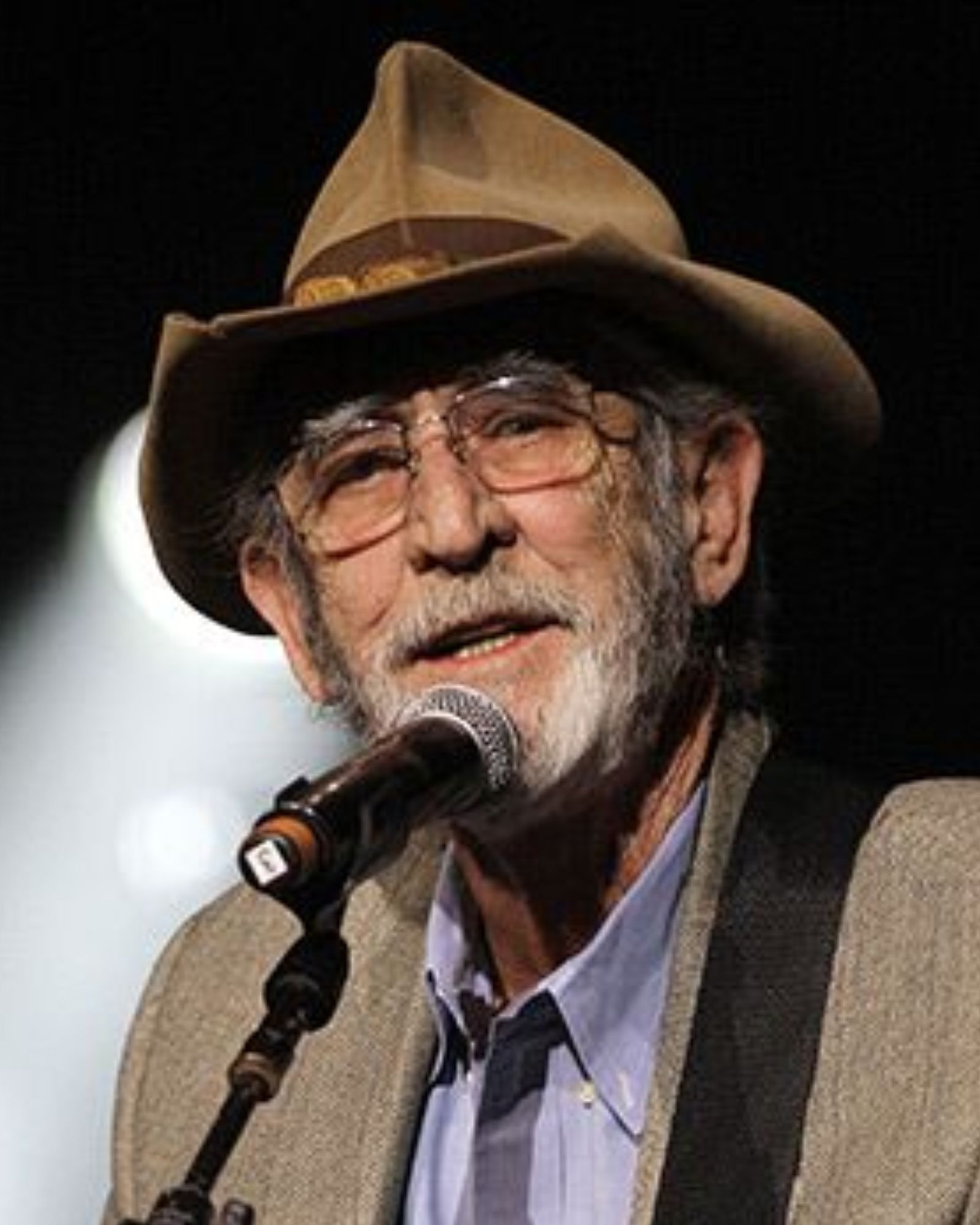
Don Williams believed Bob McDill had written something special. But before recording it, Don Williams suggested that another singer might give the song a better chance. That singer was Kenny Rogers.
Kenny Rogers passed. The song’s literary references and reflective subject matter seemed unlikely material for a commercial hit. Yet when Don Williams eventually recorded “Good Ole Boys Like Me,” the record reached No. 2 on the country charts in the spring of 1980.
The story began with a book, a friendship, and a songwriter thinking about the home that success could never entirely leave behind.
A novel brought the past closer
A friend introduced Bob McDill to the work of Robert Penn Warren. One novel in particular, A Place to Come To, provided the spark. Its central character leaves a rural Southern background and achieves intellectual distinction, but the past continues to shape the person underneath that success.
For Bob McDill, the subject offered a way into a song about Southern identity. The result would draw on childhood memories, family relationships, books, and the voices that came through a radio after dark.
“Good Ole Boys Like Me” became a portrait of someone who could move away, learn different manners, and change the way speech sounded without completely escaping the world that formed those earliest impressions.
The books belonged beside the radio
Bob McDill had arrived in Nashville in 1970 with an interest in pop, rock, and the work of songwriters such as Paul Simon and Joni Mitchell. Learning to write country music became a serious undertaking, involving close listening and repeated revisions.
That background helps explain the unusual company gathered inside “Good Ole Boys Like Me.” Hank Williams and Tennessee Williams belong in the same remembered world. Thomas Wolfe appears alongside the late-night radio personalities John R. and Wolfman Jack.
These references do more than establish a place and time. They suggest how a young person’s imagination develops: a song heard in bed, a book discovered, a voice arriving from somewhere beyond the familiar streets. The narrator’s education comes from several directions at once.
A beautiful song with uncertain prospects
After completing the song, Bob McDill performed it for college students following a guest lecture. The response was appreciative, but the students questioned its commercial future. In Bob McDill’s recollection, they considered the song too literary to become a hit.
Don Williams initially thought a bigger artist should record it and offered it to Kenny Rogers. When Kenny Rogers declined, Don Williams took on the song.
A later account in The Bitter Southerner preserves the modest exchange between singer and songwriter. Don Williams told Bob McDill, “I guess you’ll have to settle for me.” Bob McDill answered, “That’ll work, too.”
There is an affectionate understatement in that conversation. For a song built around memory and reflection, Don Williams’s unhurried delivery feels especially well suited to the material.
The audience found its way inside
The record’s success gave Bob McDill a memorable lesson:
“Never underestimate the public.”
My reading of the song is that its specific details create room for other people’s memories. A listener need not recognize every author or broadcaster to understand the pull of a childhood home.
Don Williams gives those details time to register. Behind the names and places is a familiar experience: building an adult life while discovering how much of the beginning remains. That is what makes this quiet record such a rewarding song to return to.