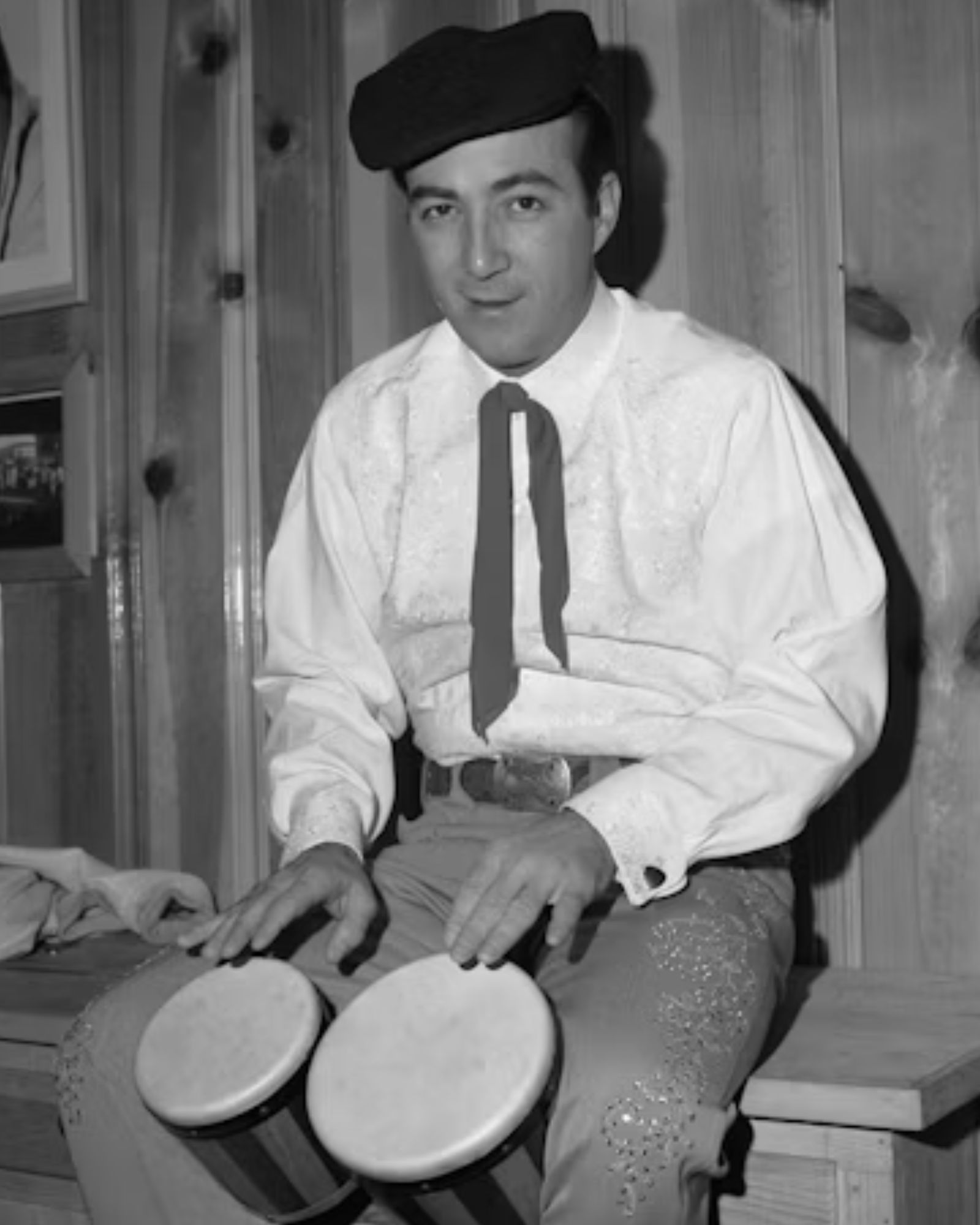
Faron Young built a career singing songs that country audiences wanted to hear. But one of the most important records in that career began with a disagreement over whether the song was worth recording at all.
In 1955, Faron Young recorded “Live Fast, Love Hard, Die Young,” written by Joe Allison. The performance sounded confident, lively, and completely at home on a country jukebox. Nothing in the finished record suggested that Faron Young had needed convincing.
Yet Faron Young later admitted to disliking the song. Producer Ken Nelson insisted on recording it anyway. Within months, that unwanted selection would accomplish something none of Faron Young’s previous singles had managed.
A rising singer still waiting for the top spot
Faron Young was already an established recording artist when the song arrived. Signed to Capitol Records in 1952, Faron Young had begun building an audience before military service interrupted the early stages of that career.
Even during service in the Army, Faron Young continued recording and performed on recruitment programs. After being discharged in November 1954, Faron Young returned to a career with considerable momentum.
“Goin’ Steady” and “If You Ain’t Lovin’ (You Ain’t Livin’)” had both reached No. 2 on the country charts. Those records had brought Faron Young close to the summit. A first No. 1, however, remained just out of reach.
That background makes the next decision especially memorable. The song that finally closed the gap was one Faron Young would not have enthusiastically selected.
The producer heard something worth recording
Joe Allison’s “Live Fast, Love Hard, Die Young” offered a bold title and a restless, energetic attitude. The recording gave Faron Young room to deliver the words with the assurance that would become a defining feature of those early Capitol hits.
Ken Nelson wanted the song recorded. Faron Young’s later account made the disagreement plain: the producer had pushed for a recording that the singer did not particularly want to make.
There is no need to invent a heated studio confrontation to appreciate that moment. The documented difference of opinion is interesting enough. A singer and a producer listened to the same material and reached different conclusions about its promise.
Fortunately, the disagreement did not prevent Faron Young from giving the song a convincing performance. Whatever reservations existed before the session, country listeners received a record with energy and personality.
Three weeks that changed the verdict
“Live Fast, Love Hard, Die Young” entered Billboard’s country charts on April 2, 1955. By mid-June, the record was beginning a three-week run at No. 1.
After earlier singles had stopped one position short, Faron Young finally had a chart-topping country record.
Faron Young later joked that the song became much easier to like once it was successful. That admission gives the story its warmth. Rather than presenting the hit as evidence of flawless judgment, Faron Young acknowledged having underestimated it.
The record became the first of five country No. 1 hits for Faron Young. Later successes included “Alone with You,” “Country Girl,” Willie Nelson’s “Hello Walls,” and “It’s Four in the Morning.” Each added another chapter to a recording career that stretched across decades.
But the first breakthrough retained a particular irony. Faron Young’s voice helped convince the public to embrace a song that had first needed someone else’s persuasion to reach the studio.
For listeners who remember those records coming through a kitchen radio or playing on a roadside jukebox, the disagreement was invisible. What mattered was the performance. Ken Nelson had insisted on the opportunity, Faron Young had delivered the recording, and country audiences supplied the final verdict.