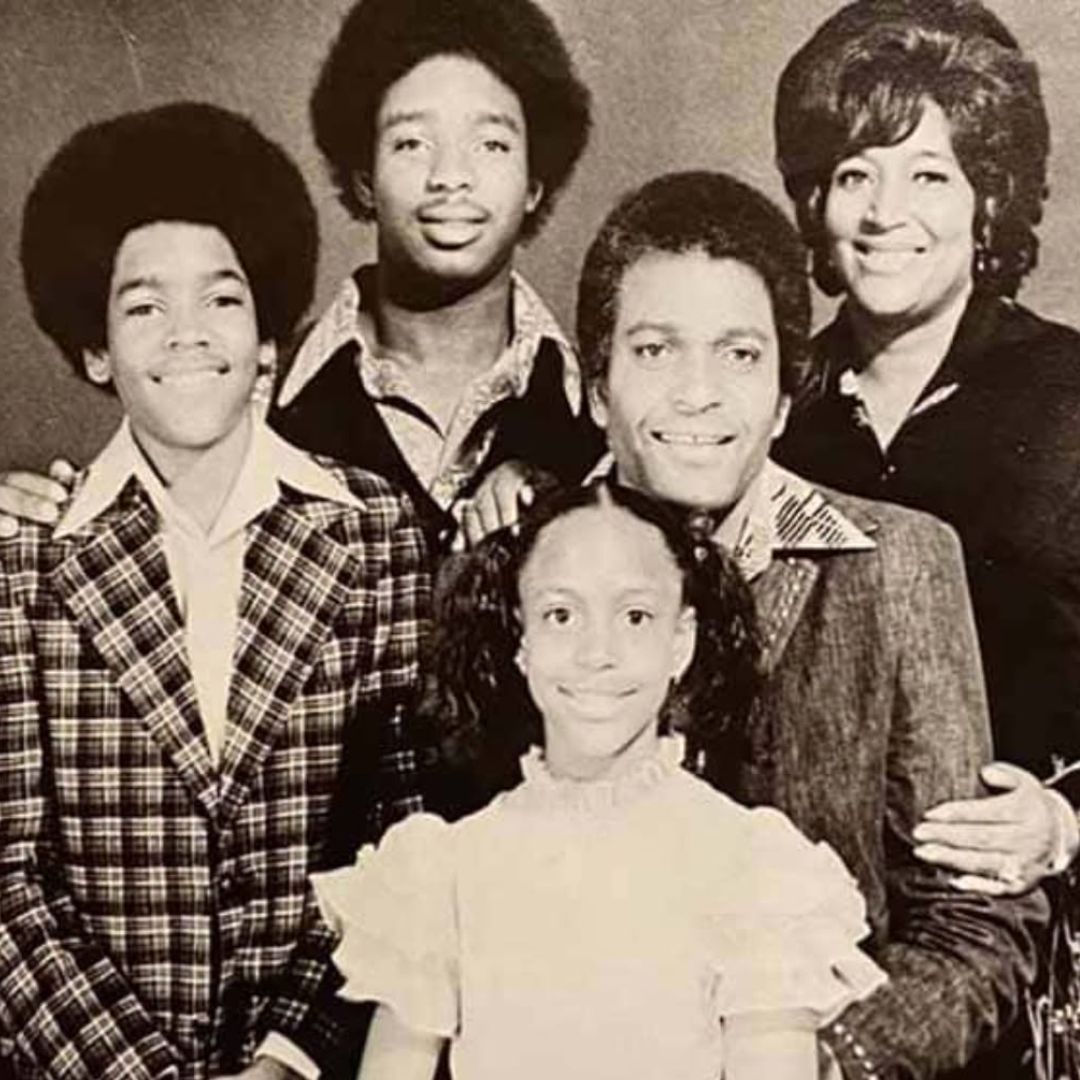
In the early 1960s, the man who would become country music’s first Black superstar was not chasing a record deal. Charley Pride was chasing a fastball career. He worked shifts at a lead smelter in East Helena, Montana, pitched for the company’s semipro team, and sang to anyone who would listen.
Within a few years, Chet Atkins would sign him to RCA Records in a way almost nobody in Nashville would have tried. Atkins played Pride’s recordings for the label’s executives, won their approval, and only then told them the singer was Black. The music had to win first. That idea would shape the next stage of Charley Pride’s life.
A Ballplayer First
Charley Pride grew up the son of a sharecropper in Sledge, Mississippi. He left home as a teenager to play in the Negro American League, and he idolized Jackie Robinson. By 1960, his dream had already survived the Memphis Red Sox, an Army hitch and an injured throwing arm.
That spring, he went to Missoula, Montana, for a shot with the Timberjacks of the Pioneer League. It did not last. When the Timberjacks let him go, Charley Pride stayed in Montana and moved to Helena.
The Smelter, the Ballpark and the Clubs
In Helena, he was recruited to pitch for the East Helena Smelterites, a semipro team tied to the local lead smelter. The smelter set aside jobs for its ballplayers and arranged their shifts so they could play together. For a young husband and father, it was the best of both worlds: a paycheck and a place on the mound.
He made the most of it. He hit well, and he also started singing for the crowd at Smelterites games. Those ballpark performances led to bookings in Helena clubs a couple of nights a week. He later described those years simply:
“I would work at the smelter, work the swing shift and then play music.” — Charley Pride, 2014
The songs came from home. As a boy, he had listened to the Grand Ole Opry on his father’s Philco radio, learning from Roy Acuff, Ernest Tubb and Hank Williams. In Montana, those songs became a second job. But in his own mind, he was still a ballplayer. In 1961 he even got a spring training tryout with the expansion Los Angeles Angels. It ended after about two weeks, and he went back to Helena and the smelter.
Two Reds in Helena
In 1962, a local disc jockey named Tiny Stokes helped introduce Charley Pride to two country stars passing through town, Red Foley and Red Sovine. He sang “Heartaches by the Number” and “Lovesick Blues” for them. They were impressed. Red Sovine told him that if he ever got serious about singing, he should come to Nashville and stop by Cedarwood Publishing.
Charley Pride did go to Nashville, and he auditioned for manager Jack Johnson. Johnson was stunned by the voice. But the demo recordings he shopped around found no takers. For a while, nothing happened. Pride went back to Montana, back to the smelter and back to baseball.
The Session That Changed Everything
The break came through Jack Johnson’s connection to producer Cowboy Jack Clement. Clement agreed to hear Pride, handed him songs to learn, and paid for a recording session himself. On August 16, 1965, Clement recorded Charley Pride at RCA’s studio in Nashville.
Chet Atkins heard the result and flew to Los Angeles to get approval from RCA’s leadership. He got it, and only then revealed Pride’s race. Years later, Charley Pride recalled Clement telling him those early songs would still be played fifty years later.
The Voice Before the Face
RCA released his first single, “The Snakes Crawl at Night,” in January 1966. The records went to radio credited to “Country Charley Pride,” with no publicity photo. The label kept his race quiet until his third single, “Just Between You and Me,” climbed into the country Top Ten. For many fans, the cover of his first album, Country Charley Pride, was the first time they saw the man whose voice they already knew.
He met the questions head on. At a 1968 concert at Panther Hall in Fort Worth, Texas, he told the crowd:
“It’s a little unique, I admit. But I’ve been singing country music since I was about five years old. This is why I sound like I sound.”
The Dream That Carried Him
Charley Pride went on to score twenty-nine No. 1 country hits, including “Kiss an Angel Good Mornin'” and “Is Anybody Goin’ to San Antone.” In 1971, the Country Music Association named him Entertainer of the Year. In 2000, he was inducted into the Country Music Hall of Fame.
Baseball never left him. After settling in Dallas, he became a part-owner of the Texas Rangers. The pitcher who never reached the major leagues ended up helping own a major league team.
The road to all of it ran through a smelter town in Montana, where a ballplayer sang between games because he loved the songs. Do you remember the first time you heard Charley Pride on the radio?