There was no funeral for David Bowie. There was no church service, no graveside gathering and no public memorial. Two days after he died, on January 12, 2016, his body was cremated in New Jersey, according to his death certificate. Early reports said no family or friends were present. A source close to the situation said plainly that there was no service of any kind, public or private.
For one of the most theatrical performers of the 20th century, it was a strikingly quiet exit. It was also, by every account, exactly what he wanted.
He did leave one last thing behind, though. He left an album.
Two days
David Bowie released Blackstar on January 8, 2016. It was his 69th birthday. Critics praised it as daring and strange, a jazz-tinged record that sounded nothing like an aging rock star playing it safe.
On January 10, two days later, Bowie died at his home in New York City. The statement on his official page said he died peacefully, surrounded by his family, after an 18-month battle with cancer.
For millions of fans, that was the first time they had heard the word “cancer” connected to his name.
A secret kept for 18 months
Bowie was diagnosed around the middle of 2014. The type of cancer was never officially announced, but it was widely reported to be liver cancer. He told almost no one. Theater director Ivo van Hove, who was working with him on the off-Broadway musical Lazarus, was one of the few who knew. The actors performing his songs on that stage every night did not.
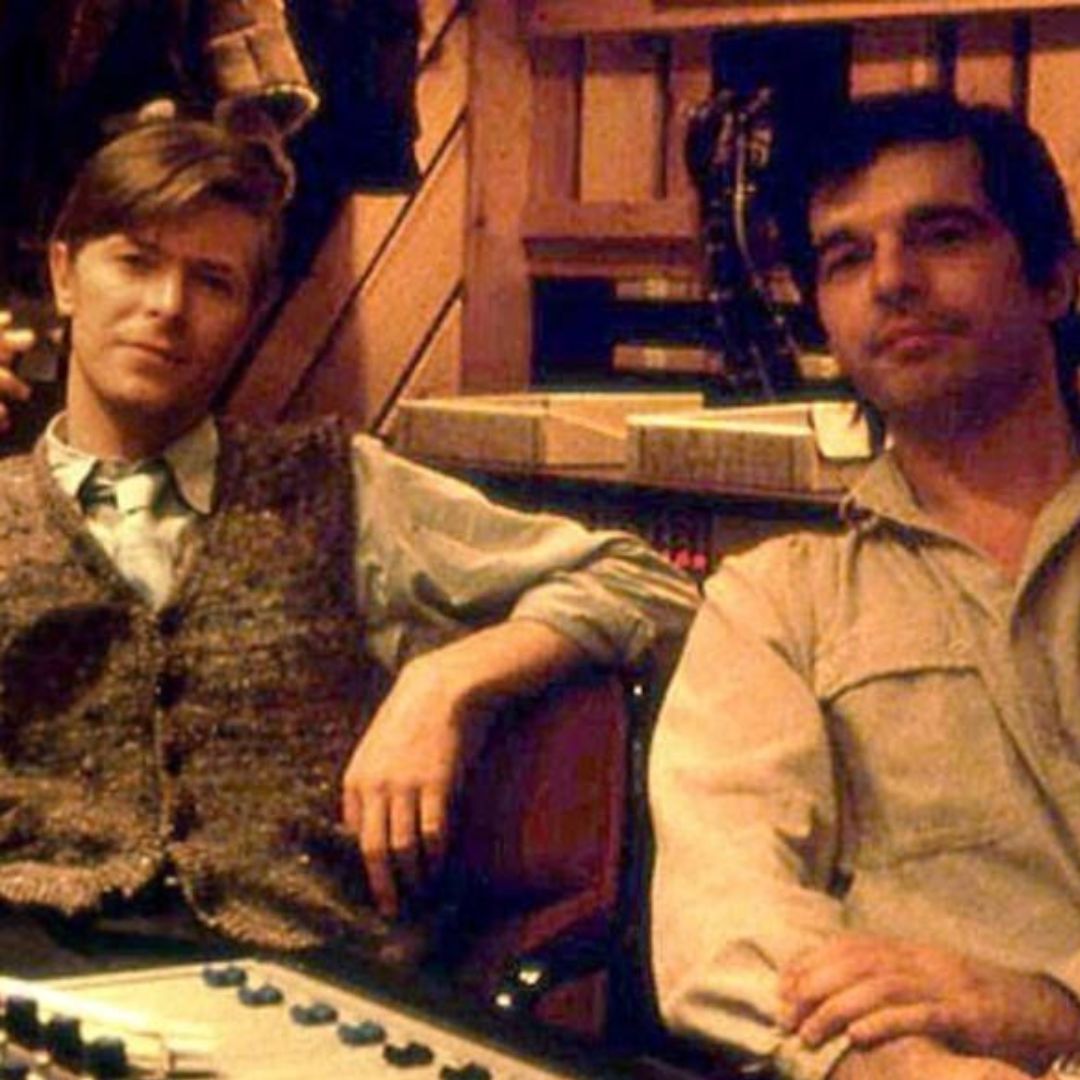
Tony Visconti found out in January 2015. Visconti had been producing David Bowie records since 1969’s Space Oddity. When they met to begin recording Blackstar in New York, Bowie arrived with no hair on his head or face. He was showing the effects of chemotherapy. He pulled his old friend aside and told him the truth.
“You’re writing a farewell album”
As the sessions went on, Visconti started paying closer attention to the lyrics. Many of them seemed to circle around mortality. One day he said it out loud.
“You’re writing a farewell album.”
Bowie only laughed.
Visconti later said that Bowie never showed any fear in the studio. His energy stayed remarkable for a man in treatment, and he was all business about finishing the record. He also kept his sense of humor. Some of the funniest lines Bowie ever wrote came out of that last year.
The week the treatment stopped
By mid-2015, with the album finished, there was hope that the cancer was in remission. That hope did not last.
In late 2015, Bowie went to a soundstage in Brooklyn to film the video for “Lazarus.” During that same week, his doctors told him the cancer had spread and that they were ending his treatment. Director Johan Renck had come up with the idea of putting Bowie in a bed before the news arrived, because the song took its name from the biblical man raised from the dead. Only later did that image look like a deathbed. Renck did not know at the time that Bowie had received the news. Near the end of the shoot, someone suggested that Bowie finish the video by backing slowly into a dark wardrobe. He agreed.
On December 7, 2015, Bowie attended the opening night of Lazarus. It was his last public appearance.
He still wasn’t finished
Even then, David Bowie was not acting like a man who was done. Around a week before he died, he called Tony Visconti to talk about the follow-up to Blackstar. He had already written and demoed five new songs. Visconti said they both believed Bowie had at least a few more months. The end, he said later, must have come very quickly.
Bowie’s will, written in 2004, contained one more quiet request. He asked that his ashes be scattered in Bali in keeping with Buddhist rituals there. If he could not be cremated on the island, he wanted his ashes taken there anyway.
A parting gift
On January 11, 2016, the day after Bowie died, Tony Visconti posted a tribute. He said his friend had always done things his own way.
“His death was no different from his life – a work of Art.”
Visconti wrote that Bowie made Blackstar for the fans as a parting gift. He also admitted that knowing for a year had not prepared him for the loss. He closed by saying that, for now, it was right to cry.
Fans did cry, and they bought the album. Blackstar became the first David Bowie album ever to reach No. 1 in America.
There is no grave to visit and there was never a funeral to attend. What David Bowie left behind was a record finished in secret, released on his birthday, and meant to be heard after he was gone.
Do you remember where you were when you heard David Bowie had died?